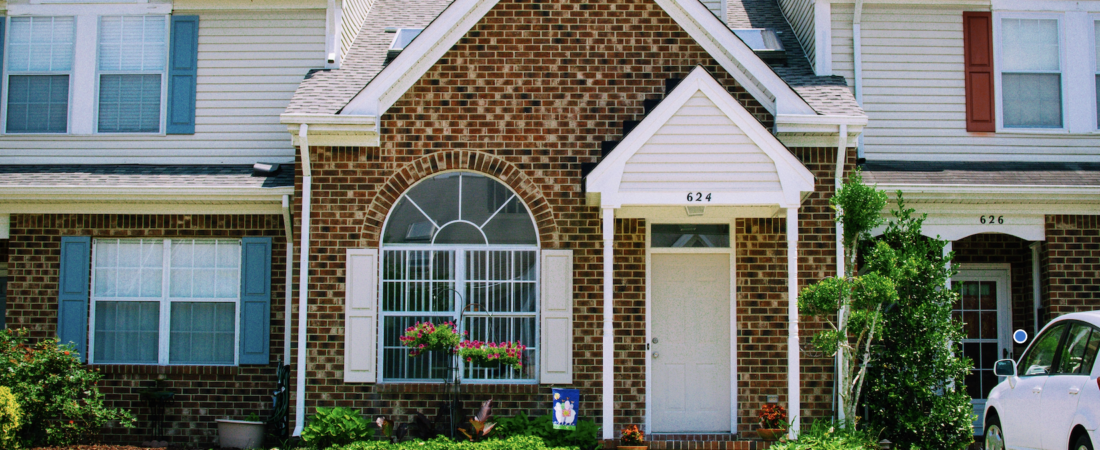
If you’ve been wondering how anyone under 30 is buying property right now, I want to walk you through the strategy I think is the most underused one out there: house hacking.
Here’s what it is: you buy a small multi-unit property, a duplex, triplex, or fourplex, move into one unit, and rent out the rest. Your tenants’ rent goes toward your mortgage, so your own housing cost can drop to a few hundred dollars a month, sometimes less. You become a homeowner and a landlord on the same day, without needing to be rich first.
The tool that makes this possible is an FHA loan. A typical investment property loan wants 20-25% down, which most of us don’t have sitting around. But because you’re planning to live in the property, you qualify for an FHA loan instead, and that changes everything. You’re looking at 3.5% down if your credit score is 580 or above, on a property with up to four units, given that you live in one. And lenders can count 75% of the expected rental income from your other units toward what you qualify for. That’s the actual unlock. The rent helps you get approved, not just pay things off later.
There is a real requirement attached to this: you must move in within 60 days of closing and live there for at least a year. FHA checks on this, so it’s not something you can quietly skip. After that first year, you’re free to move out and rent every unit, stay put, or go do it again on your next property.
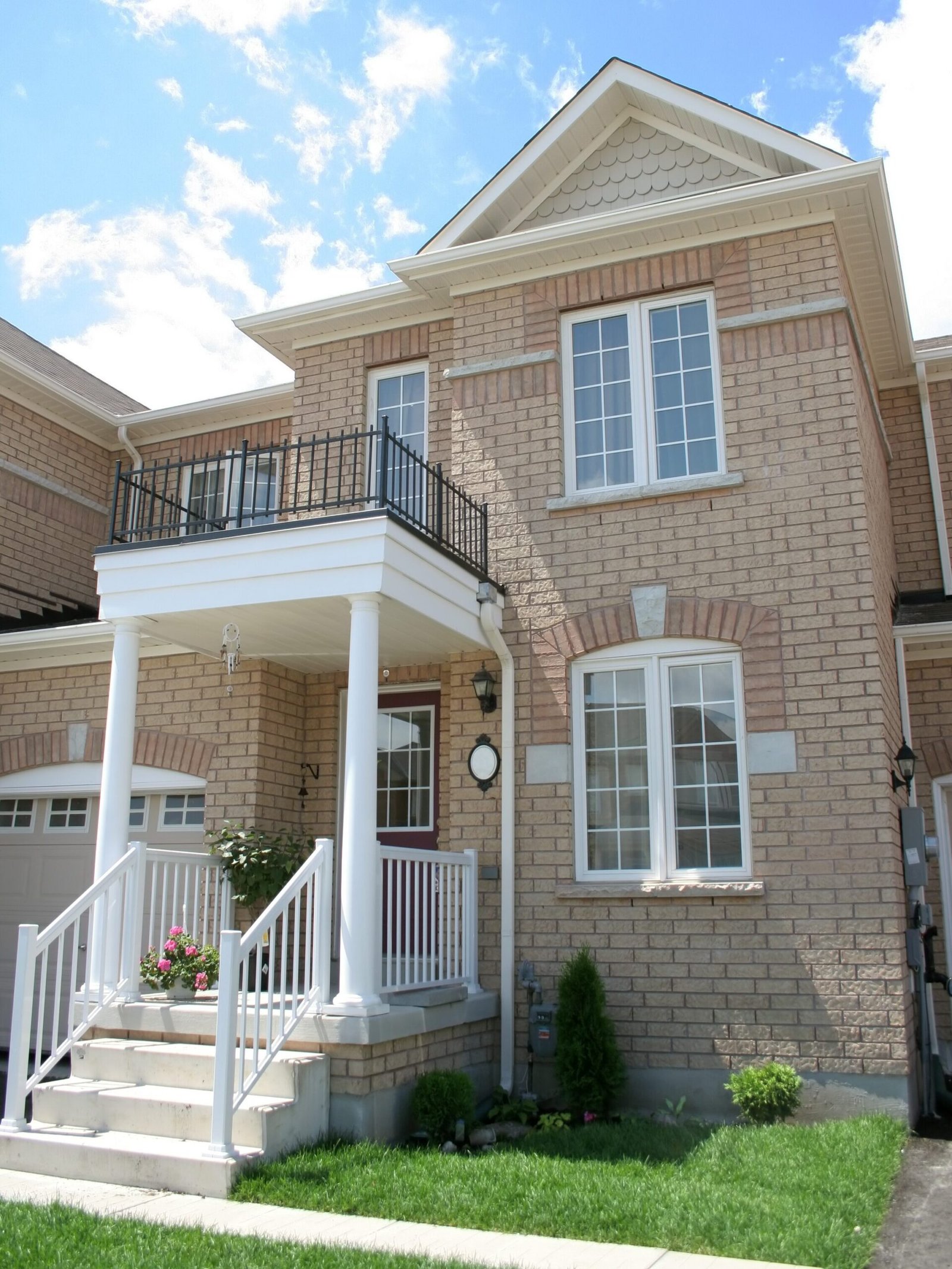
Let me give you a rough sense of the math, just to make this less abstract. Say you buy a duplex for $350,000 with 3.5% down. That’s about $12,250 instead of the $70,000 a conventional loan would want. Your mortgage might run around $2,800 a month once you include taxes, insurance, and FHA’s mortgage insurance premium. If your tenant pays $1,500, your actual cost drops to $1,300, in a market where a comparable apartment might rent for that much on its own.
If those numbers have you curious about where you’d actually land, it’s worth checking your own eligibility before you get too deep into house hunting. A quick loan comparison tool can walk you through your options and give you a realistic sense of your rate and what you’d qualify for, based on your actual credit and income, not just a rough guess. It only takes a few minutes and gives you something concrete to plan around instead of estimating in the dark.
The Honest Downside of House Hacking
I also want to be honest with you about the part that doesn’t fit neatly into a pin. You’re now the landlord, which means you’re the one fielding maintenance calls and screening tenants, and you’re living right next door to the person paying you rent. Some people love that closeness, some people don’t. Know which one you are before you commit.
That first year living in the duplex is where the real learning happens, and it’s worth going in with realistic expectations. A solid rental agreement matters here, it protects both you and your tenant and sets clear expectations before anything goes wrong. It’s also smart to set aside a portion of your rental income each month for repairs, since appliances and roofs don’t wait for a convenient time to break. The upside is that by the time your required year is up, you’ve already been managing tenants and learning the property, so the transition, whether that means renting out your own unit too or handing things off to a property manager, feels far less overwhelming than starting from scratch.
This isn’t financial or legal advice, and every lender and market is different, so talk to an FHA-approved lender before you move on this. But if you’ve been told homeownership is out of reach for our generation, I wanted you to know the math can work. It just doesn’t look like the house your parents bought.